Warning signs
42 signs · A
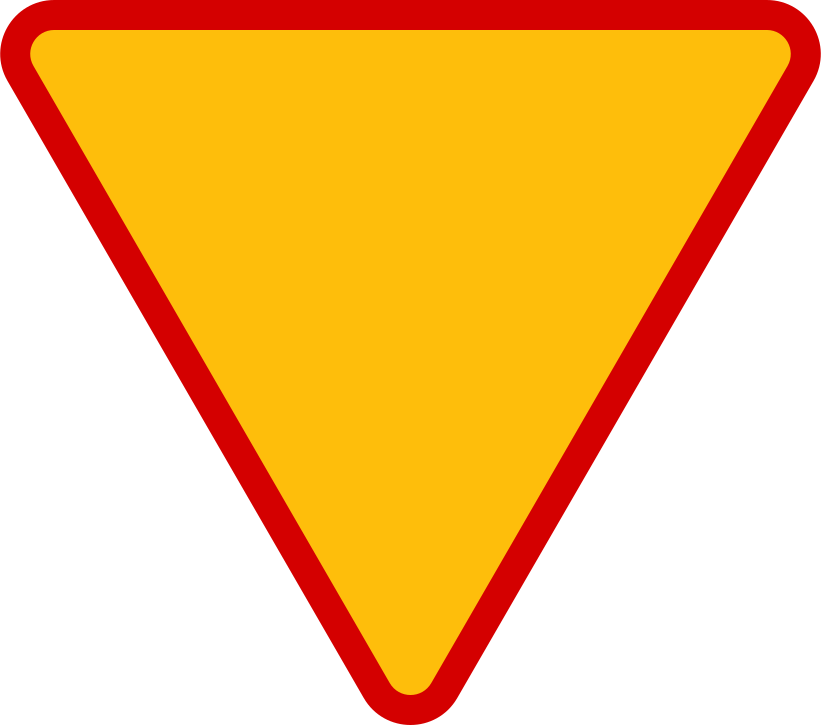
Triangles with a red border: they warn of a danger on the road.
See the group →Every sign and signal from the Polish road signs and signals regulation: 351 entries in 10 groups. Each with a picture, a plain-language meaning, an exam tip and the catalogue questions it appears in.
Triangles with a red border: they warn of a danger on the road.
See the group →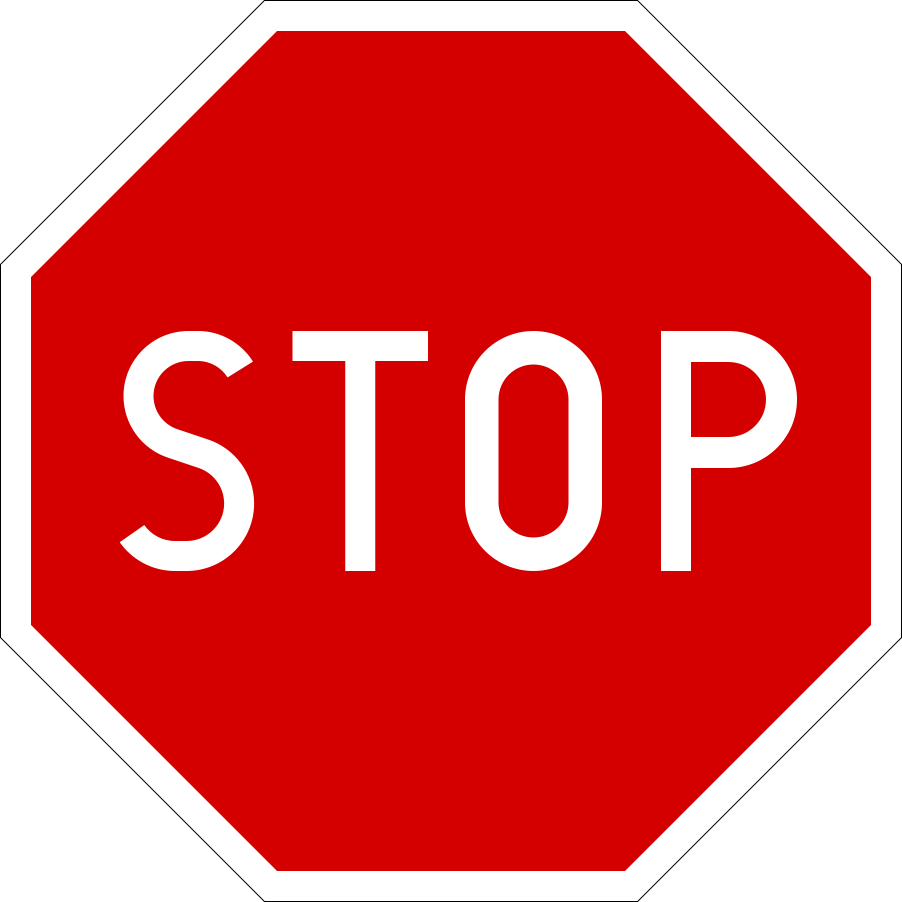
Round with a red border: something is not allowed. These come up most often in the exam.
See the group →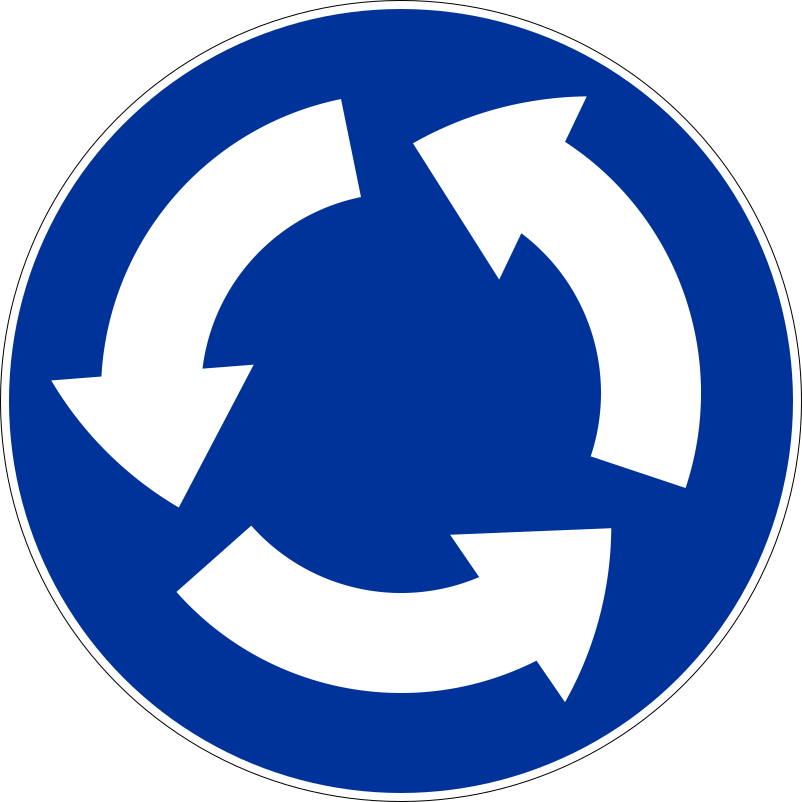
Blue circles: they indicate a compulsory direction of travel or an obligation.
See the group →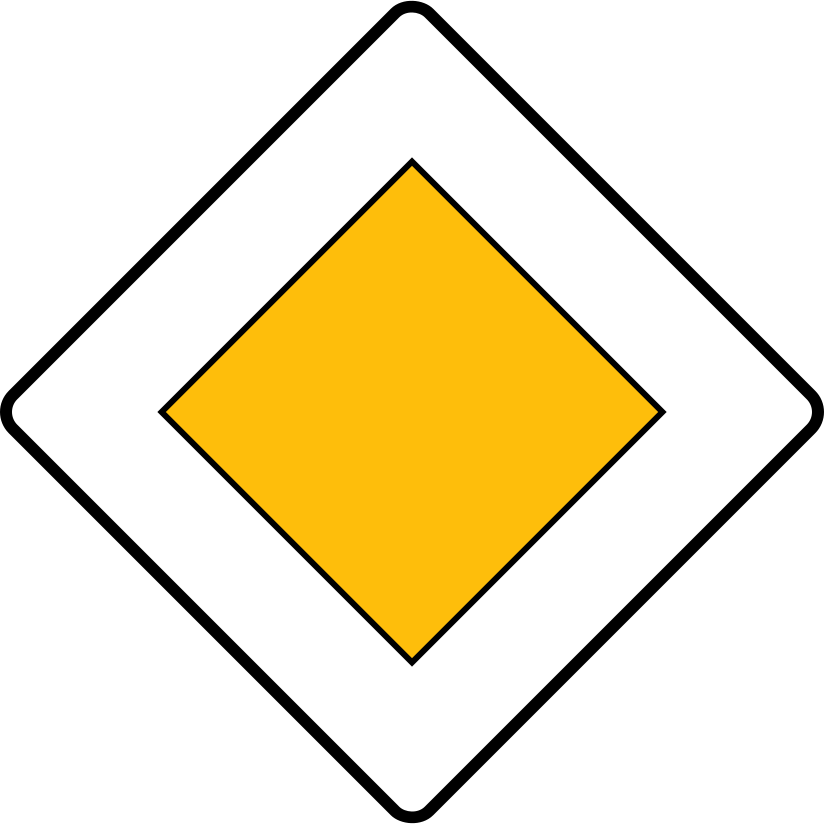
Blue rectangles: they inform about the type of road, facilities and the rules on a section.
See the group →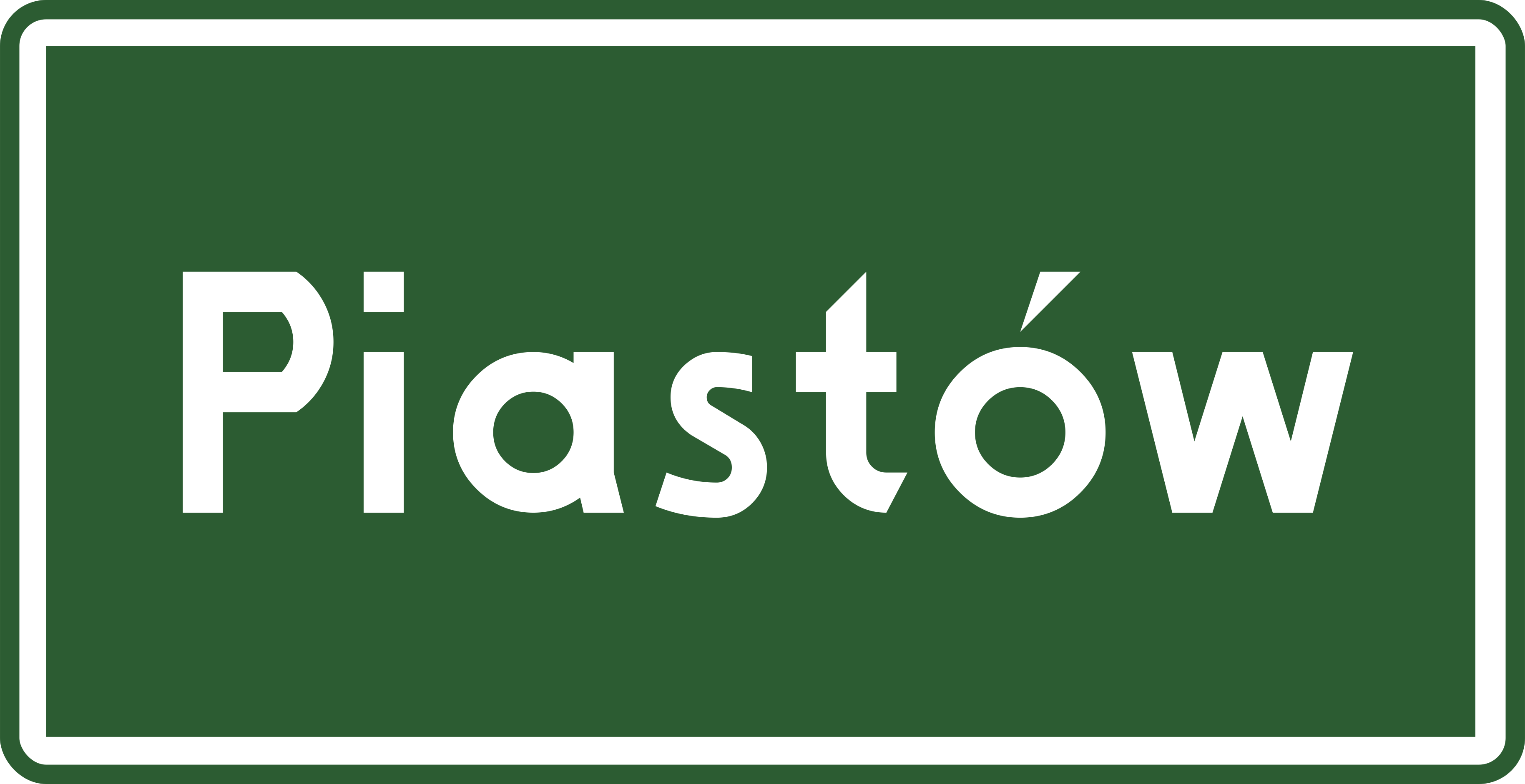
Signposts and boards: where the road leads, what number it has, where a town begins.
See the group →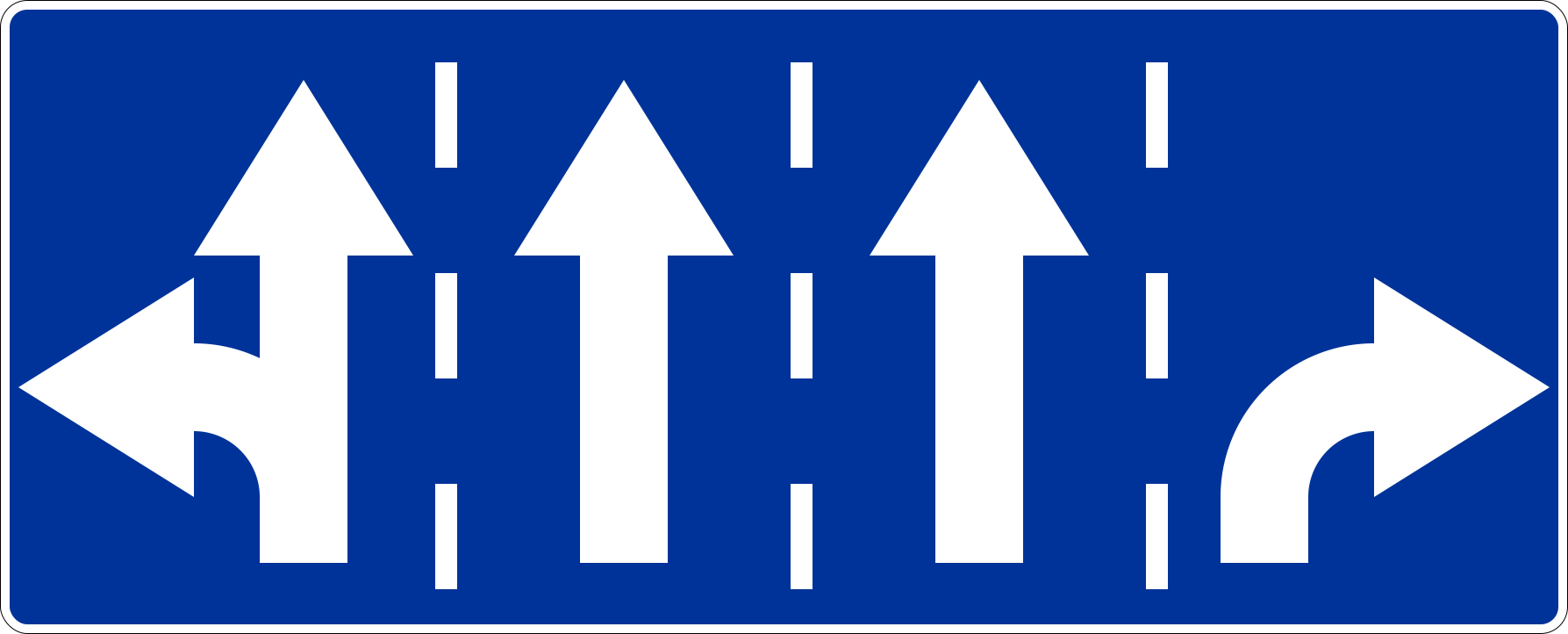
White boards: lane directions, diversions, advance notice of prohibitions, borders.
See the group →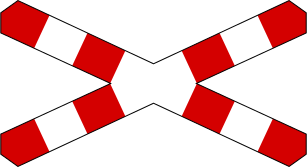
Posts with bars and St Andrew's crosses: they count down the distance to the tracks and mark the stopping place.
See the group →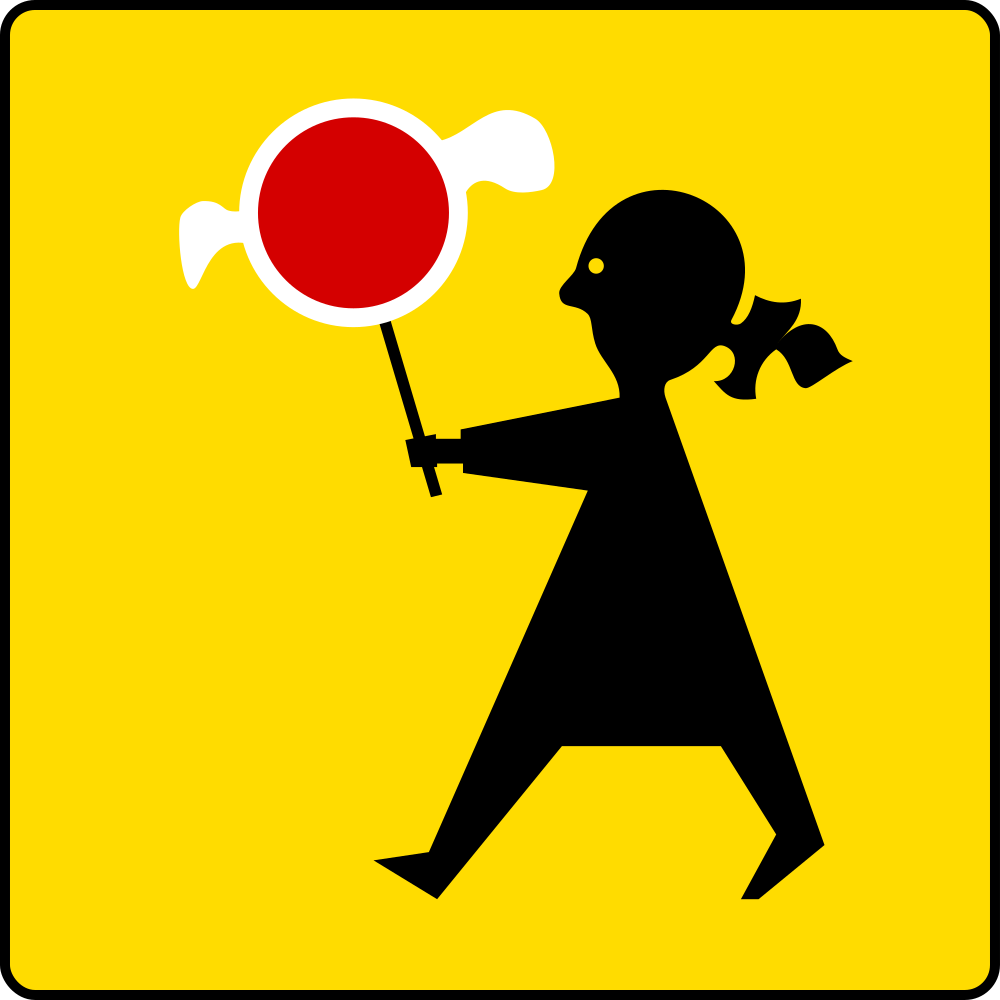
White plates under a sign: they narrow, extend or specify what the sign says.
See the group →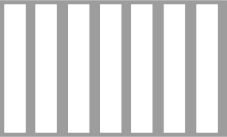
Lines, arrows and lettering on the carriageway: they mark lanes, stopping places and directions of travel.
See the group →
Signals for vehicles, lanes, pedestrians and cyclists: what each signal means.
See the group →Road signs in Poland are defined by the regulation on road signs and signals (Journal of Laws 2019 item 2310, as amended). This catalogue holds all 351 entries from that regulation in the version in force in 2026, each with its image, a plain-language meaning, an exam tip and the questions from the official catalogue in which the sign appears.
Before you read the symbol, the shape and colour of the plate tell you what the sign is about. It is the first thing worth learning before the test.
A sign placed on the right side of the carriageway or above it applies to drivers in every lane. If signs hang above individual lanes, each applies only to the lane it hangs over. A sign on the left repeats the one on the right. A word or symbol on a plate under the sign is an integral part of the sign, and a sign mounted on a works vehicle with a flashing amber light is as binding as a sign by the road (par. 2 of the regulation).
The order comes from art. 5 of the Road Traffic Act (Prawo o ruchu drogowym). Instructions and signals of a person directing or controlling traffic come first. Then traffic lights, which take precedence over signs regulating priority. Only then road signs, and finally the general rules of the Act. When the lights are working, an A-7 or B-20 sign under the signal head does not apply; when amber is flashing or the lights are off, the signs apply again.
In the theory test a sign appears in a photo or a video of a real road, and the question asks whether you may do something in that situation. Nobody asks for the sign's code, but without knowing its meaning you cannot answer. That is why every sign in this catalogue lists the questions from the official catalogue in which it appears, with answers and explanations. In the practical test the examiners check A-7, B-20 (a full stop, always, even with nothing coming), B-25, the no-stopping and no-parking signs and the traffic lights most often.
An amendment to the regulation (Journal of Laws 2026 item 133) added six signs, all of them already in this catalogue:
First the groups by shape and colour, then the signs of one group side by side, because the test likes similar pairs (B-35 no parking and B-36 no stopping, A-6b and A-6c, D-1 and A-7). The Łatweprawko app has sign flashcards: you see a sign, guess its name and put aside the ones you already know. A mock exam on the test centre rules then shows whether you recognise the sign in traffic too, with 20 seconds to watch and 15 to answer.
The regulation on road signs and signals in its 2026 version contains 351 signs and signals in 10 groups: warning (A), prohibition (B), mandatory (C), information (D), direction and place (E), supplementary (F), additional signs before level crossings (G), plates (T), road markings (P) and light signals (S).
No. The questions show the sign in a photo or a video and check what you have to do. The code helps when learning and when talking to your instructor, but in the test only the meaning counts.
Traffic lights take precedence over signs regulating priority (art. 5(3) of the Road Traffic Act). Instructions of a person directing traffic take precedence over both the lights and the signs.
Yes. A word or symbol on the plate is an integral part of the sign (par. 2(4) of the regulation). The plate can give a distance, a period of validity or the type of vehicle the sign does or does not apply to.
From the regulation of the Ministers of Infrastructure and of the Interior and Administration on road signs and signals (Journal of Laws 2019 item 2310, as amended, including the new signs from Journal of Laws 2026 item 133). For every sign we give the paragraph its meaning comes from.
We use cookies that are necessary for the site to work (session, language, security). With your consent we will also enable analytics (Google Analytics) and advertising pixels (Google Ads, Meta, TikTok) that measure how well our ads work. You can change your choice at any time in the footer. Cookie policy ·