Road markings
30 signs
Lines, arrows and lettering on the carriageway: they mark lanes, stopping places and directions of travel.
-
 P-1
single broken line
-
 P-2
single solid line
-
 P-3
line crossable from one side
-
 P-4
double solid line
-
 P-5
double broken line
-
 P-6
warning line
-
 P-7a
broken edge line
-
 P-7b
solid edge line
-
 P-8a
straight-ahead arrow
-
 P-8b
turning arrow
-
 P-8c
U-turn arrow
-
 P-9
guiding arrow
-
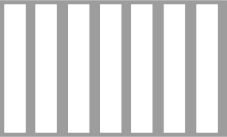 P-10
pedestrian crossing
-
 P-11
cycle crossing
-
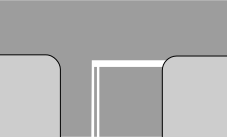 P-12
absolute stop line - stop
-
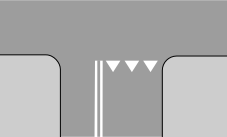 P-13
conditional stop line made of triangles
-
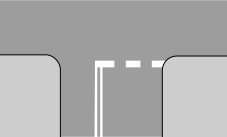 P-14
conditional stop line made of rectangles
-
 P-15
give way triangle
-
 P-16
stop marking
-
 P-17
stop line for public transport
-
 P-18
parking bay
-
 P-19
parking strip line
-
 P-20
envelope
-
 P-21
excluded area
-
 P-22
BUS
-
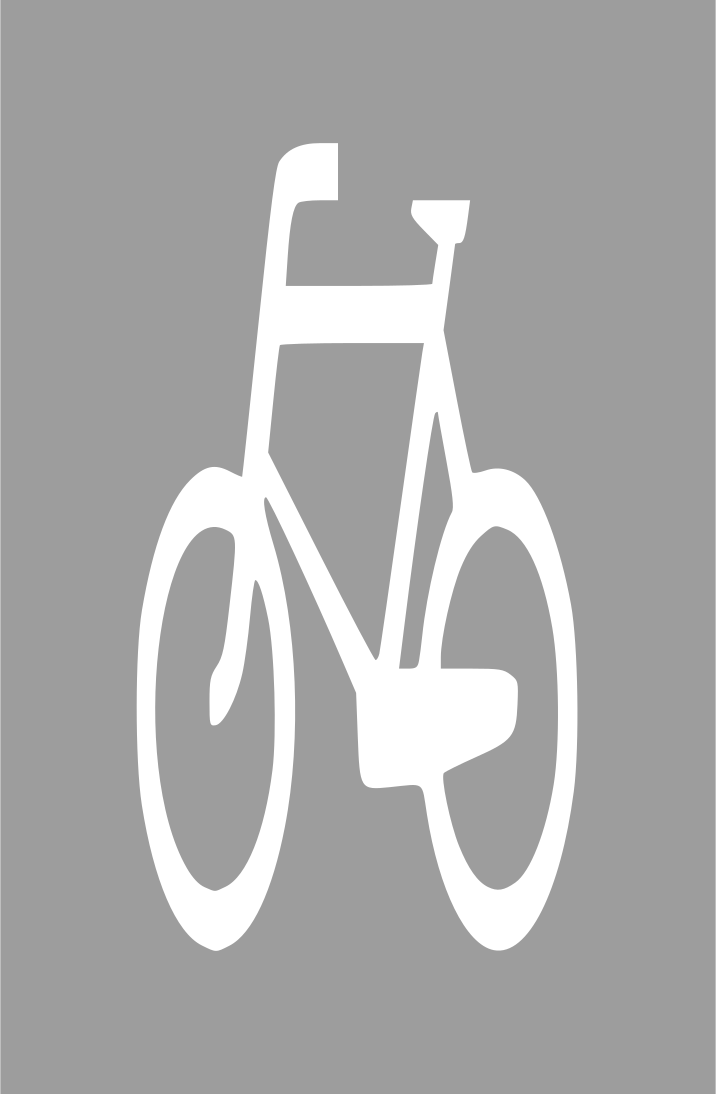 P-23
bicycle
-
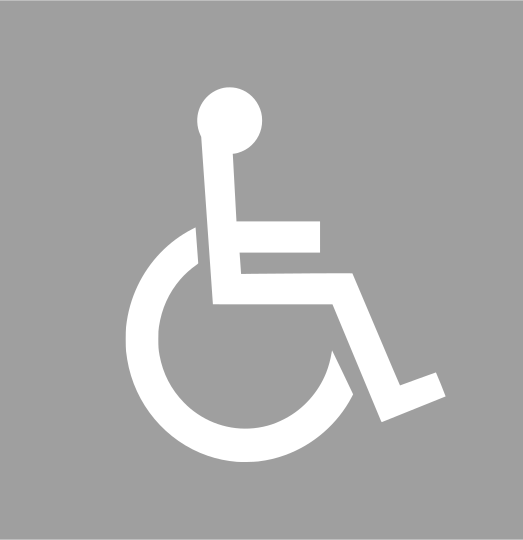 P-24
space for the vehicle of a person with a disability
-
 P-25
speed hump
-
 P-26
pedestrians
-
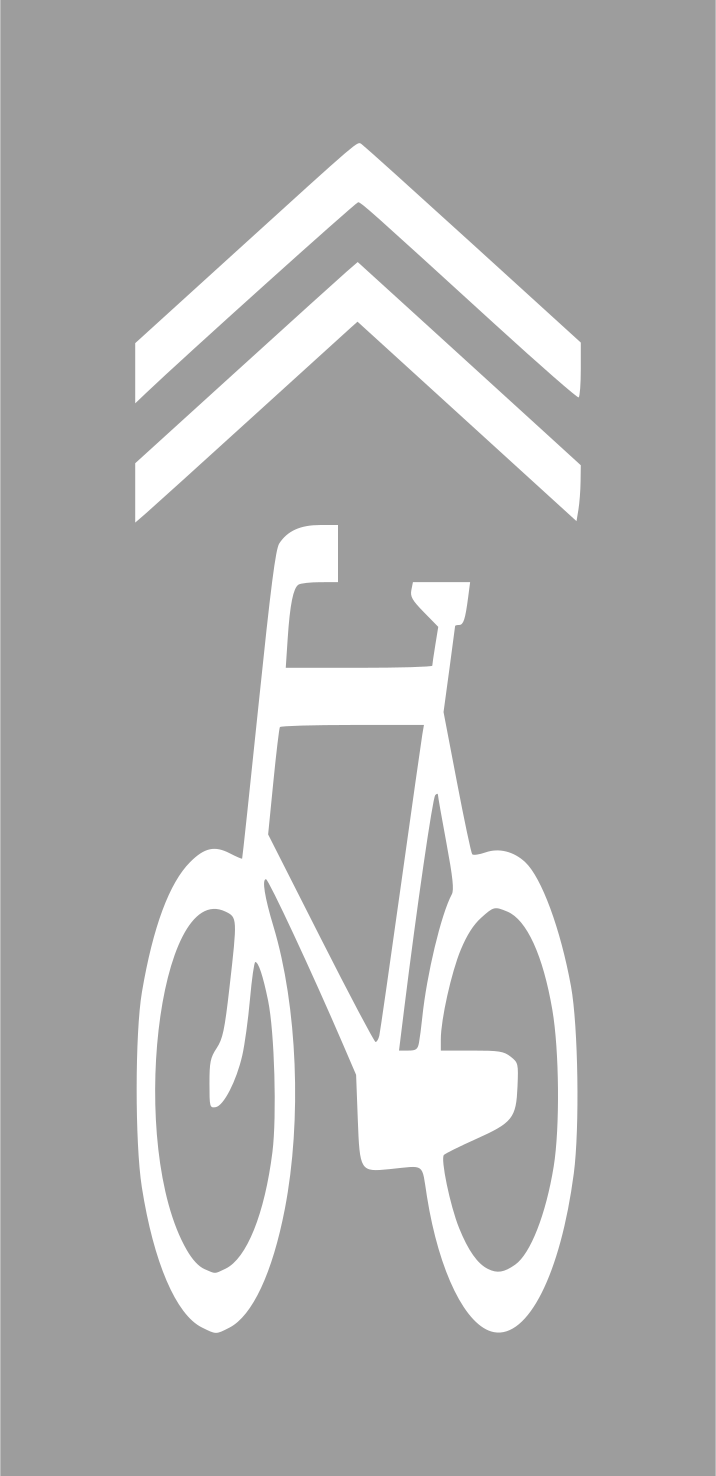 P-27
direction and track of bicycle travel
How to recognise Road markings signs
- Shape
- lines, arrows, lettering and symbols painted on the carriageway
- Colours
- white; yellow for temporary traffic arrangements
Where they start to apply and where they end
Road markings are lines, arrows, lettering and symbols on the surface. They mark lanes and the edge of the carriageway, stopping places before an intersection, crossings, parking spaces and the permitted directions from lanes. White is permanent marking, yellow is temporary (e.g. during roadworks) and takes precedence over white.
Road markings signs on the exam
The official catalogue of exam questions contains 228 questions featuring a sign from this group. They cover 24 of the 30 signs in the group, so not every sign comes up equally often.
Take a mock exam →Most frequent on the exam
- P-12 absolute stop line - stop 37 questions
- P-4 double solid line 31 questions
- P-2 single solid line 27 questions
- P-8b turning arrow 26 questions
- P-9 guiding arrow 25 questions
Learn the signs by heart
The app has sign flashcards: you see the sign, guess the name and set aside the ones you already know.
Open the flashcards
Full access from 19.99 zł
The course, unlimited tests, explanations and statistics in every category. Pay once for 7 days, no subscription.
Unlock full access
Łatweprawko app
The same course and tests on your phone. One account, one progress.