
Category B1 questions
Every official question that can appear on the category B1 theory test, with correct answers and explanations. Search a topic or browse the list.
Page 40 of 71 · questions 781-800 1 417 questions
-
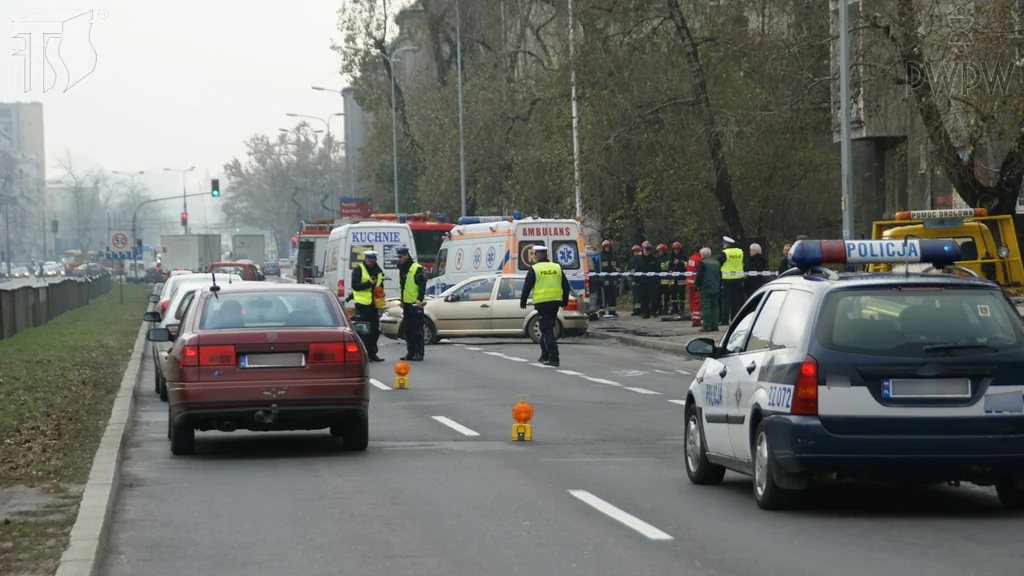 Question no. 6293
If you're involved in a car accident in which there are fatalities, are you obliged to remain on the scene of the accident after the ambulance service had been called?
1 pts
B A A1 A2 +
-
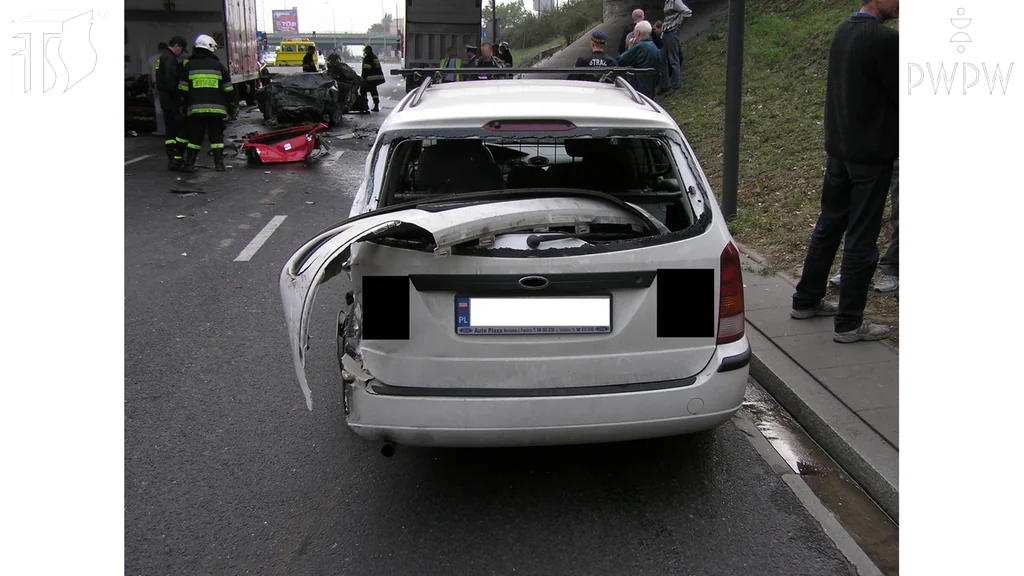 Question no. 6294
If you're involved in a car accident in which there are injured parties, can you remove your car from the scene of the accident so that it does not create an obstacle to traffic?
1 pts
B A A1 A2 +
-
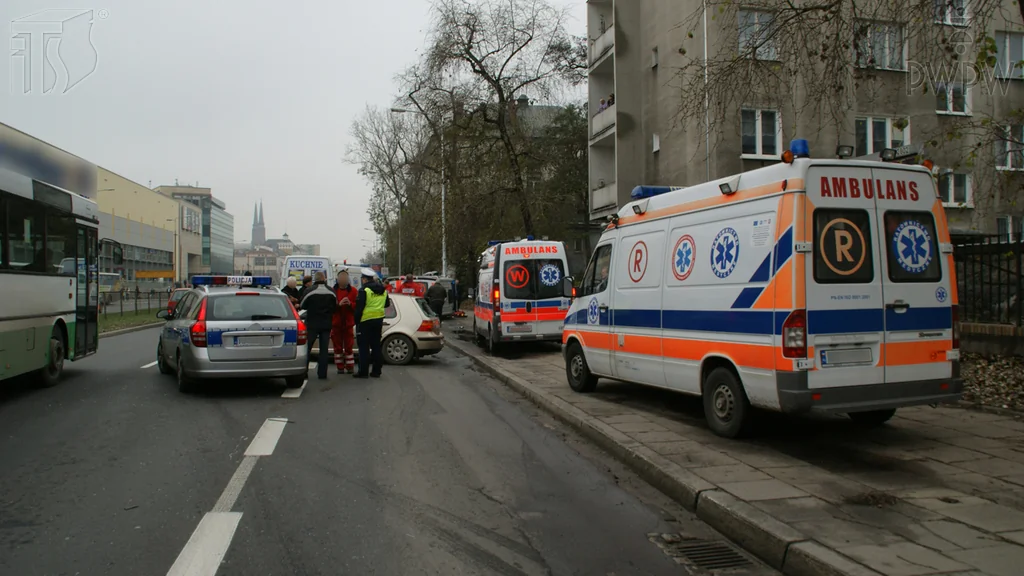 Question no. 6295
If you're involved in a car accident in which there are injured persons, are you obliged to leave your car at the scene of the accident?
1 pts
B A A1 A2 +
-
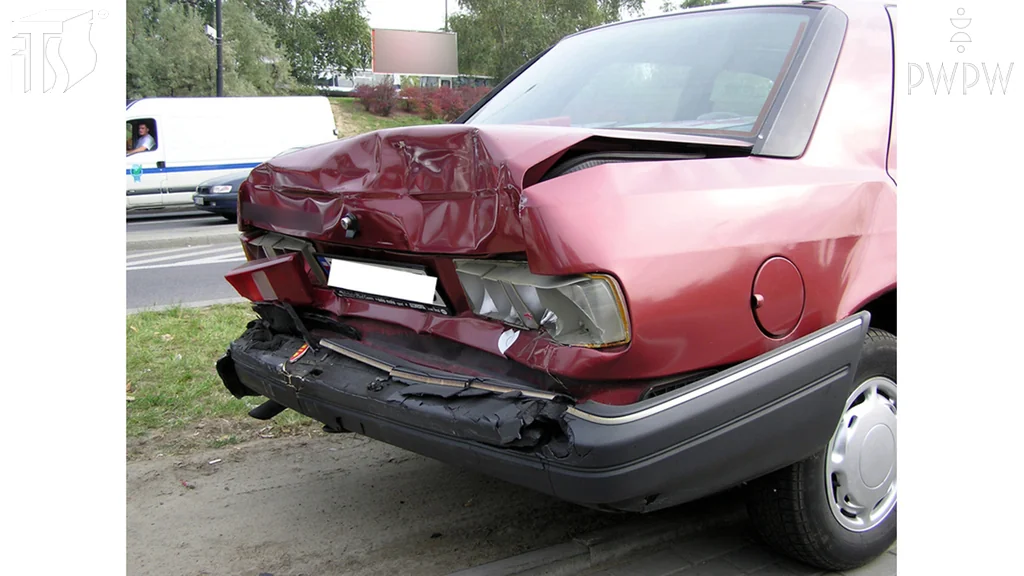 Question no. 6296
If you're involved in a car accident in which there are no injuries or fatalities, are you obliged to call the Police?
1 pts
B A A1 A2 +
-
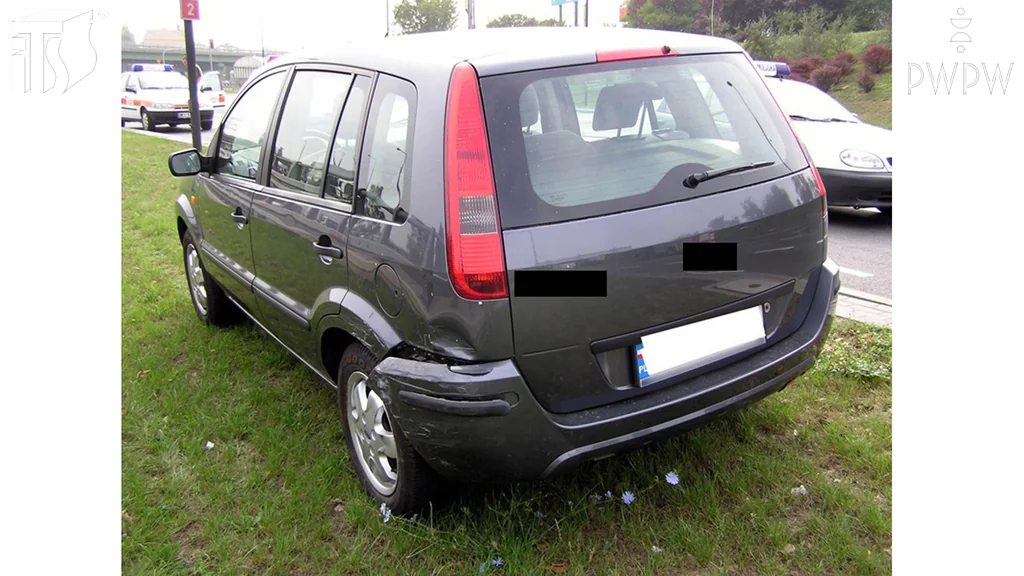 Question no. 6297
If you're involved in a car accident in which there are no injuries or fatalities, are you obliged to immediately remove your car from the scene of the accident?
1 pts
B A A1 A2 +
-
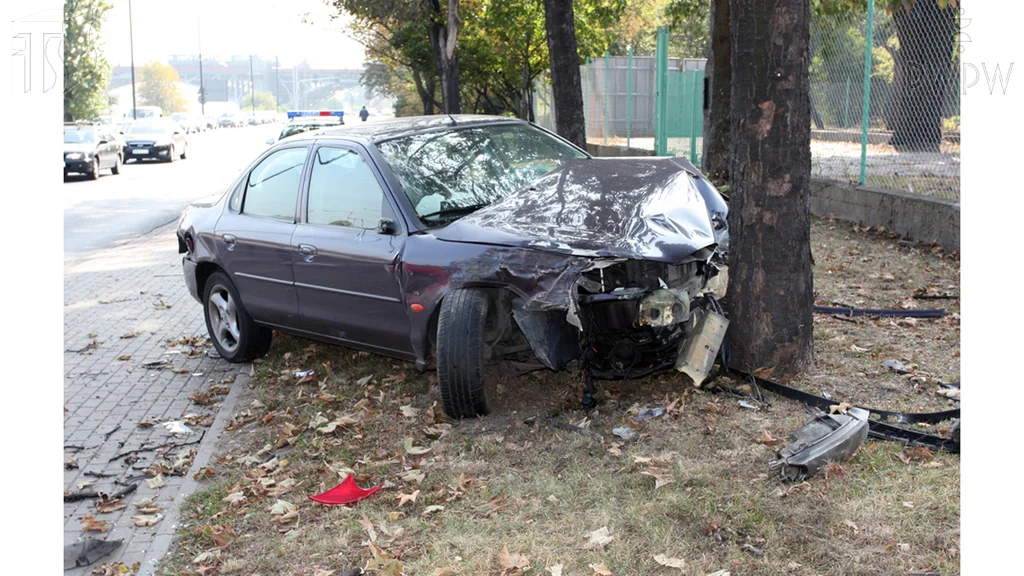 Question no. 6298
If you're involved in a car accident in which there are injured parties, are you obliged to call the emergency service and provide the necessary assistance to the victims?
1 pts
B A A1 A2 +
-
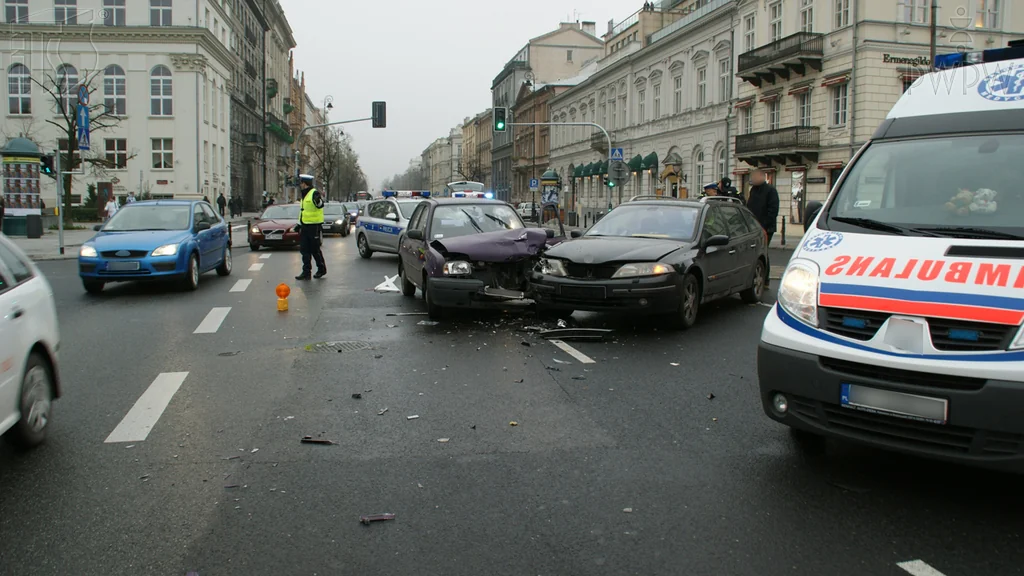 Question no. 6299
If you're involved in a car accident, are you obliged to provide your personal details at the request of the second party involved in the same accident?
1 pts
B A A1 A2 +
-
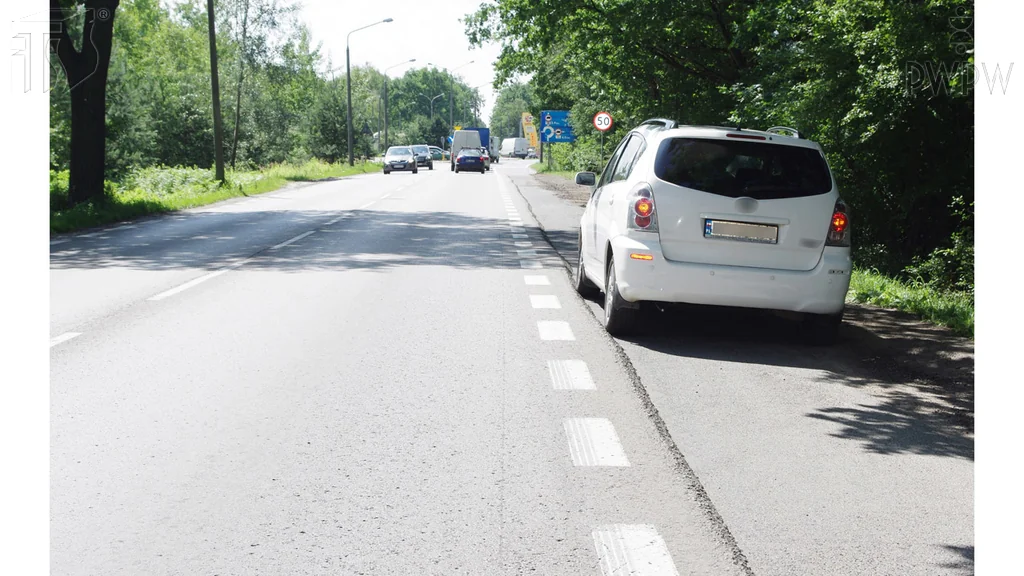 Question no. 6303
In the situation that you see here, while you park a broken-down car on the road outside a built-up area, are you obliged to place a warning triangle behind it at a distance of 150 m?
1 pts
B B1 C C1 +
-
Question no. 6304
If you park a broken-down car outside a built-up area, are you obliged to place a warning triangle immediately behind the car or on it?
1 pts
B B1 C C1 +
-
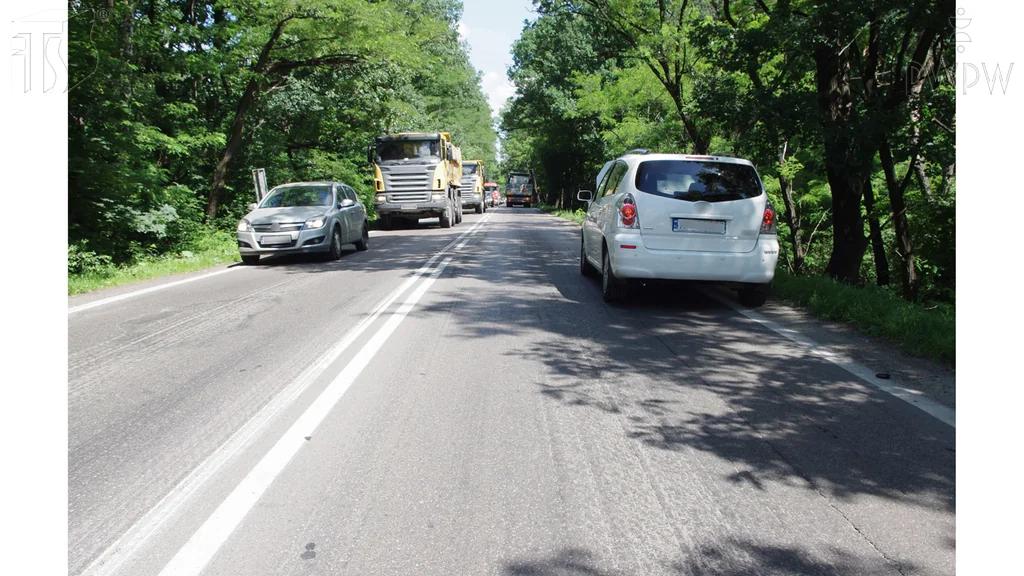 Question no. 6305
While parking a broken-down car on a paved road outside a built-up area, do you have to leave the low-beam lights on?
1 pts
B B1 C C1 +
-
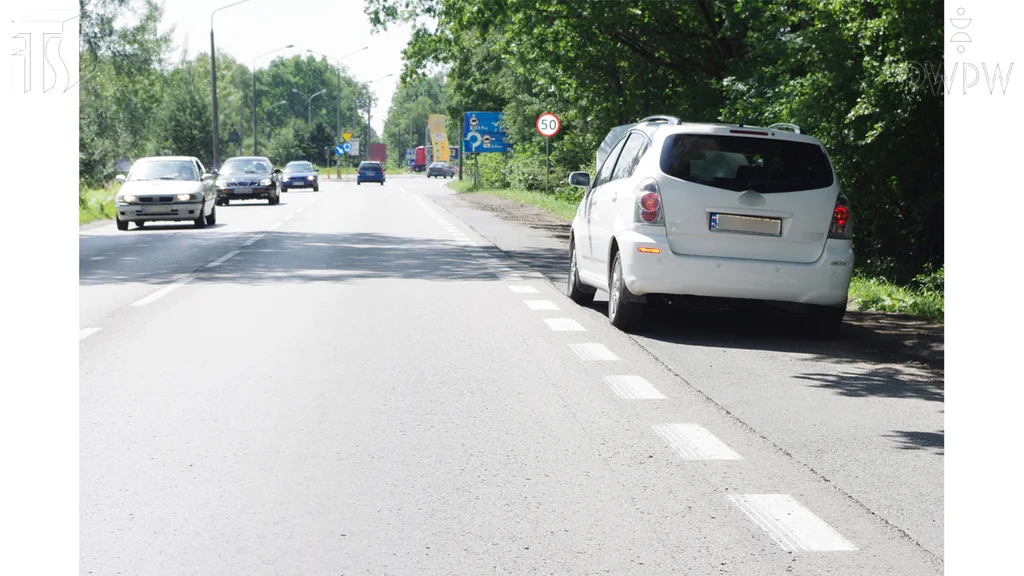 Question no. 6306
In the presented situation, are you obliged to signal the fact that you have parked a broken-down car on a road which is not an express road, if the car may be seen from a sufficient distance?
1 pts
B A A1 A2 +
-
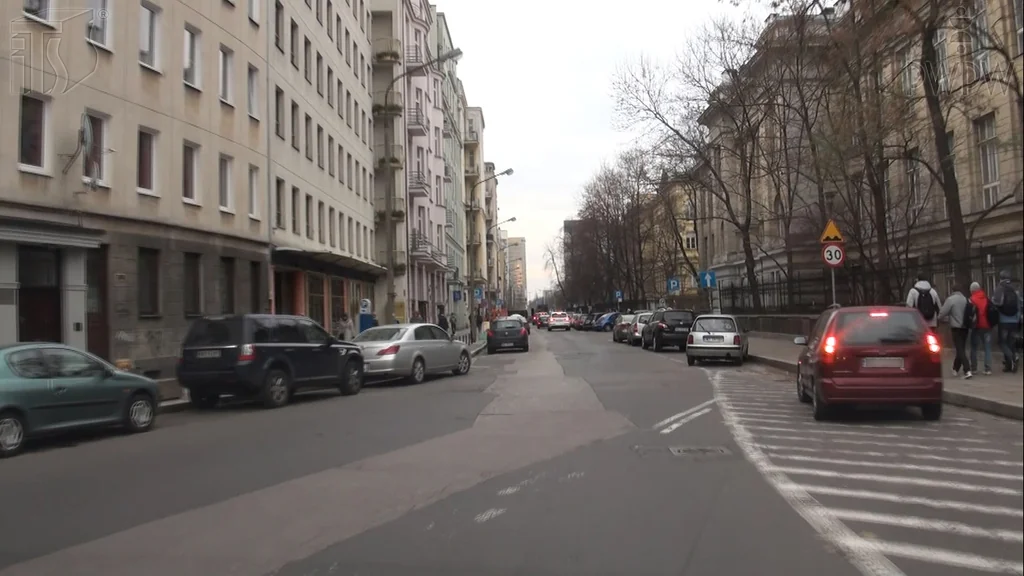 Question no. 6307
Should you signal the fact of parking a broken-down car on an area excluded from driving?
1 pts
B A A1 A2 +
-
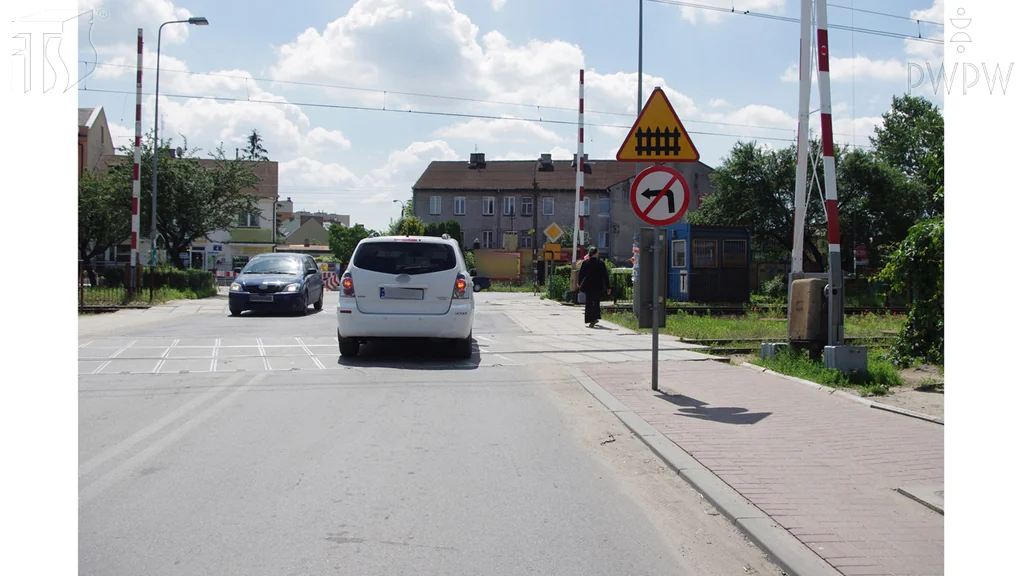 Question no. 6308
In cases of breakdown, must you immediately remove the vehicle from the crossing and if this is not possible, should you warn the engine driver of the rail vehicle?
1 pts
B A A1 A2 +
-
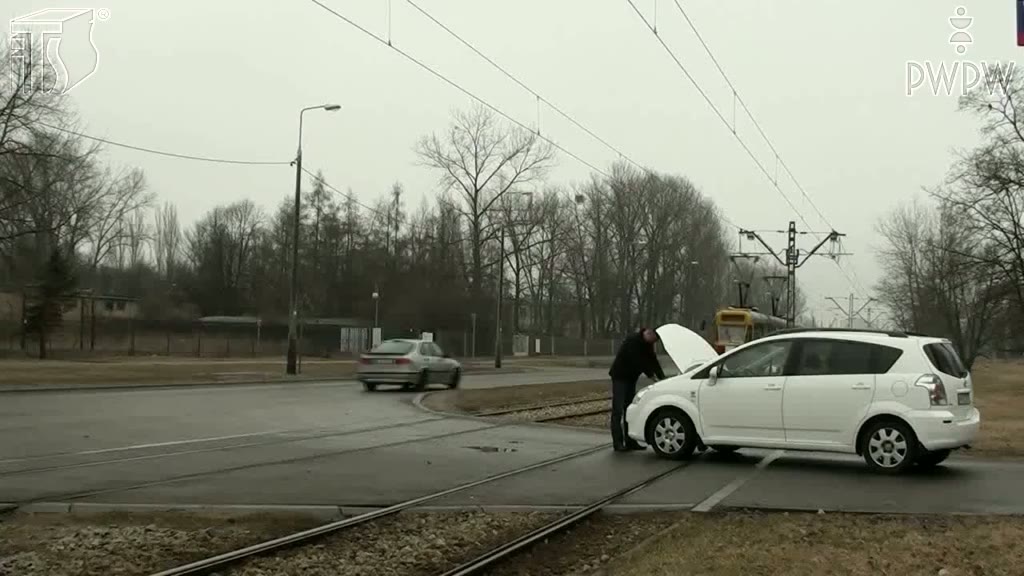 Question no. 6309
In the event of immobilization of the car due to a technical problem on a railway crossing, do you have to immediately move the car from the railway crossing?
1 pts
B A A1 A2 +
-
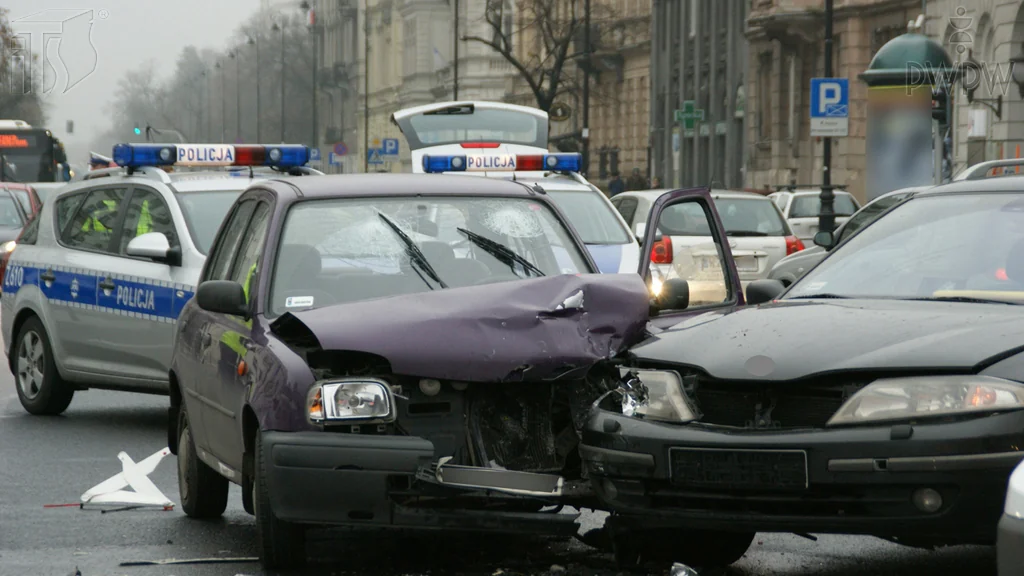 Question no. 6310
If you're involved in a car accident, are you obliged to provide the details of the car owner at the request of another person involved in such accident?
1 pts
B A A1 A2 +
-
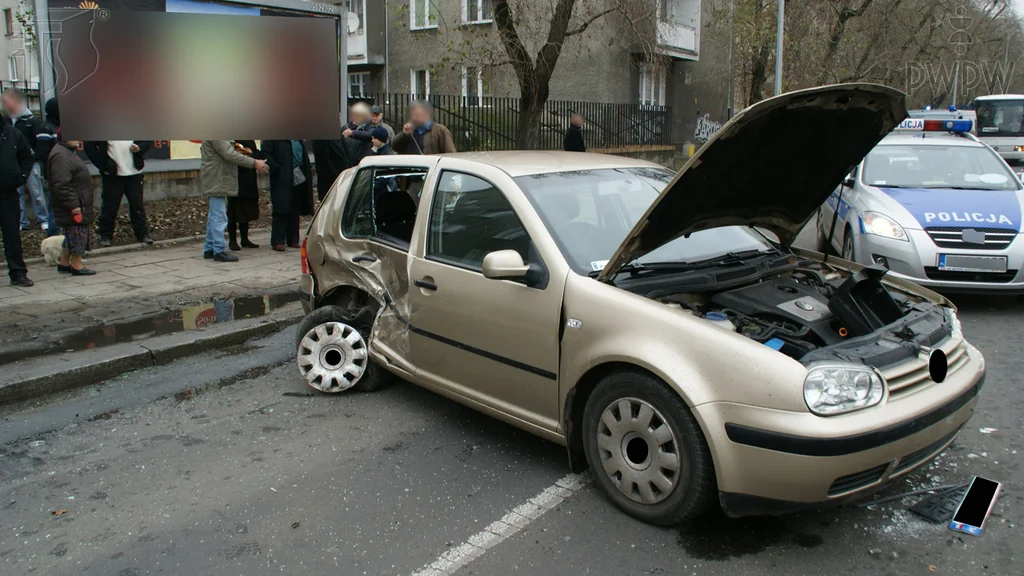 Question no. 6311
If you're involved in a car accident, are you obliged to provide the details concerning motor third-party liability insurance at the request of another person involved in the accident?
1 pts
B A A1 A2 +
-
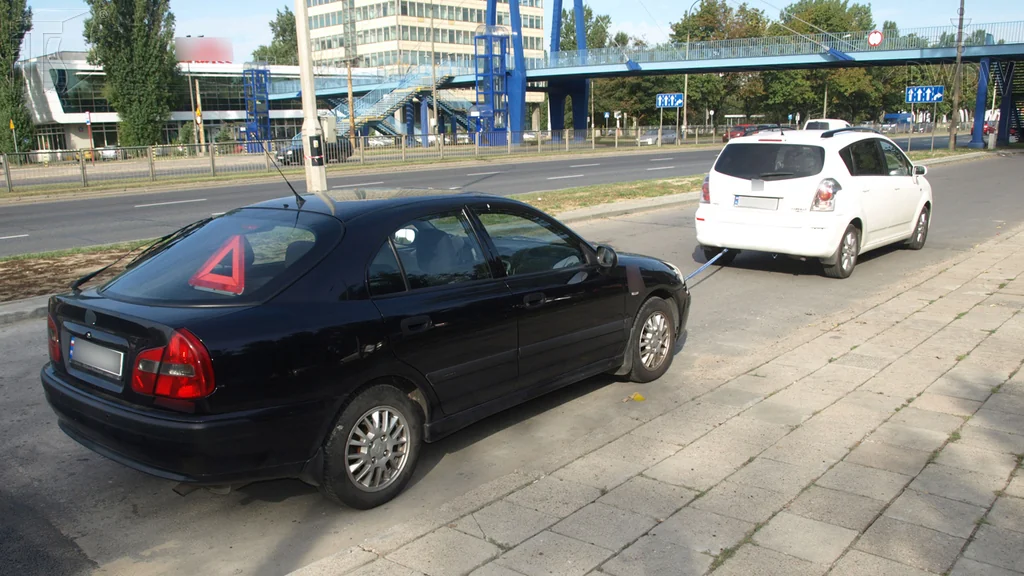 Question no. 6314
Can you use emergency lights while towing a vehicle?
1 pts
B B1 C C1 +
-
 Question no. 6315
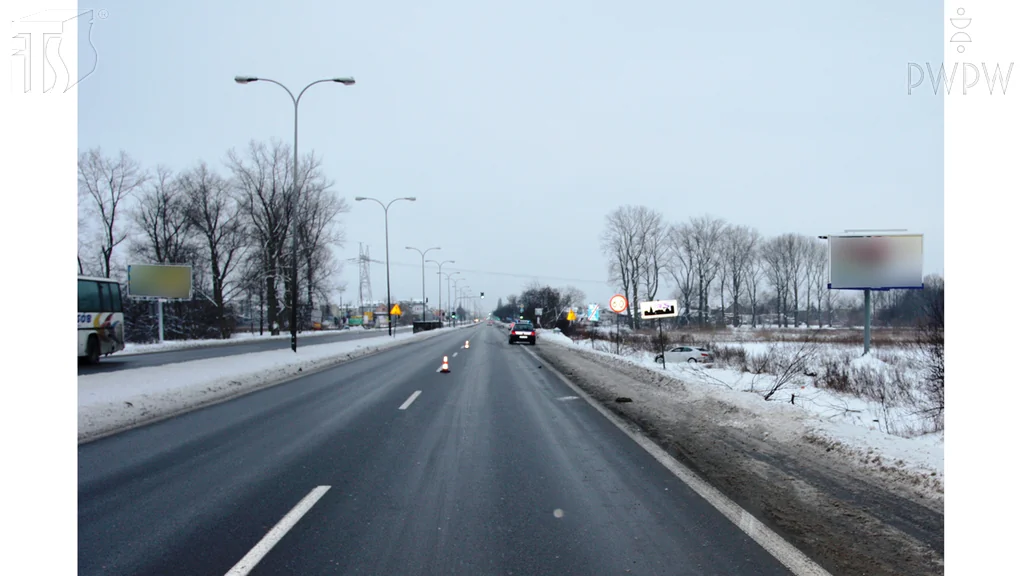
Once you reach an accident spot, can you secure such a spot by appropriately positioning your car and turning on your emergency lights?
1 pts
B B1 C C1 +
-
 Question no. 6316
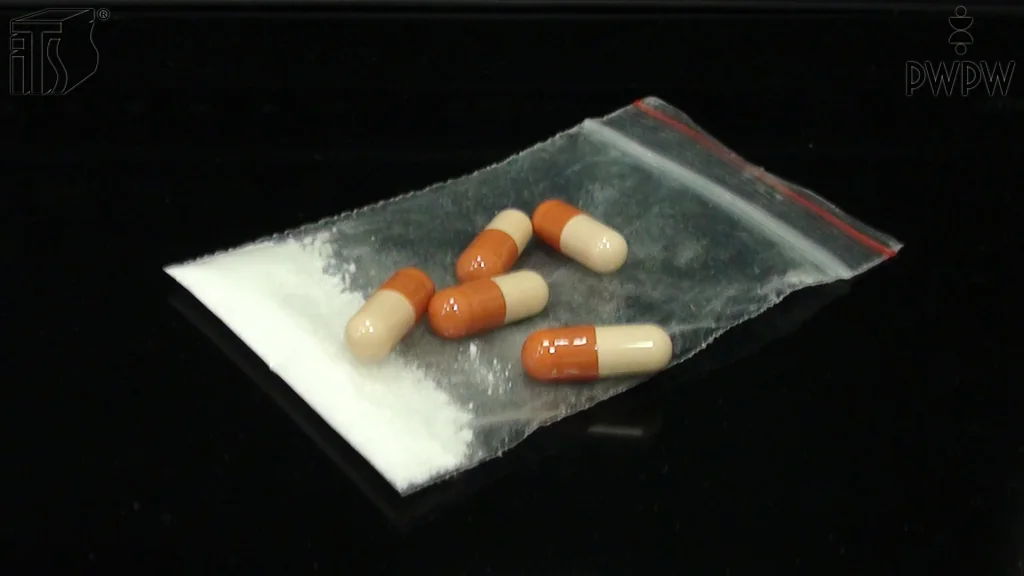
Can the consumption of amphetamines increase the driver's tendency of risky and aggressive behaviour?
2 pts
B A A1 A2 +
-
 Question no. 6317
Can the use of tranquilisers and sleeping pills affect the driver's control of the trajectory of the car?
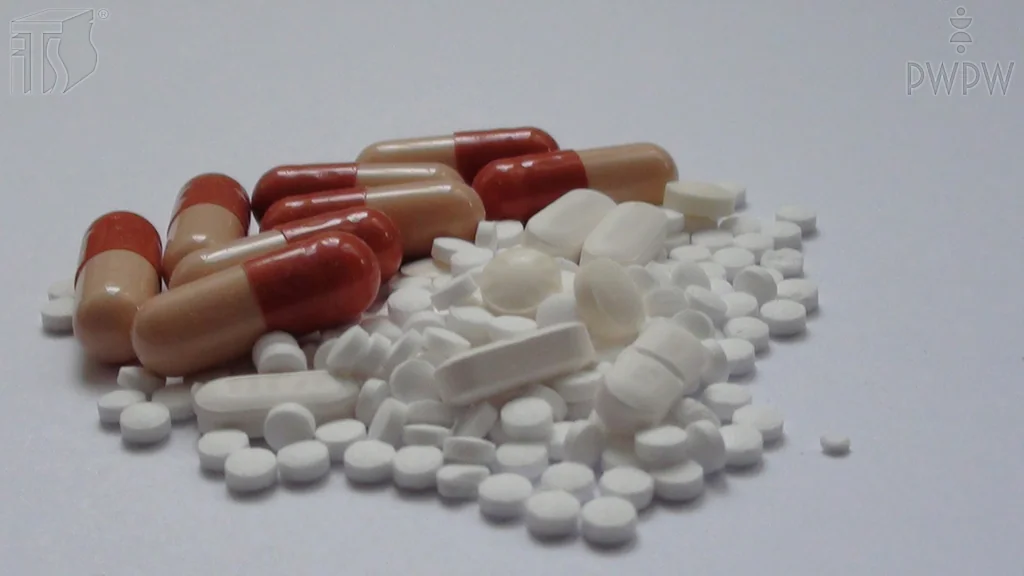
2 pts
B A A1 A2 +