
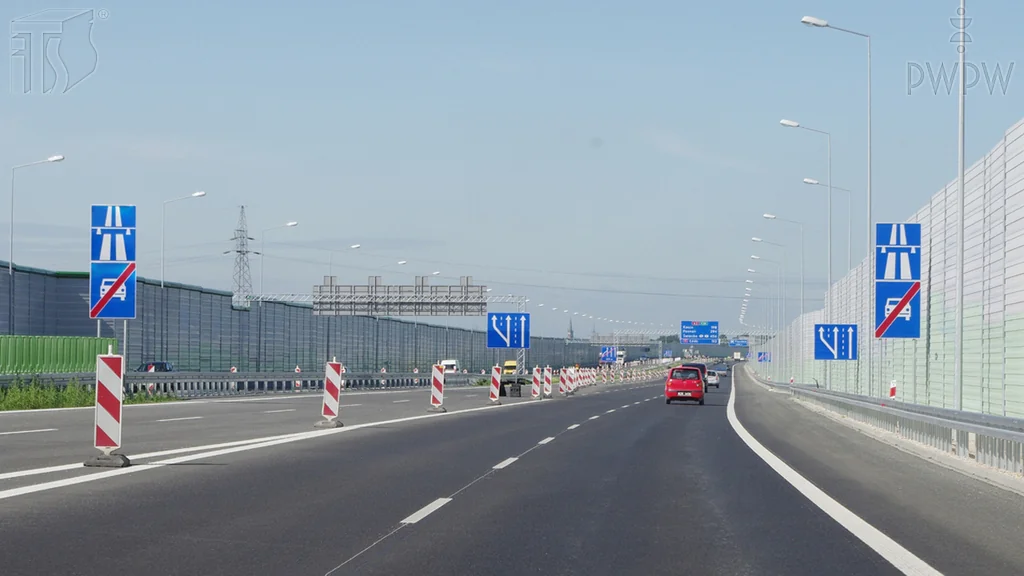
What should a person travelling on a highway do if they experience the following: shortness of breath, chills, numbness of the arms, pain around the stomach area and humming in the ears.
Show the correct answer
Correct answer
B. He should carefully enter the emergency lane, call the ambulance and unfasten his seat belts.
Explanation
Duszność, dreszcze, drętwienie rąk, ból w okolicy żołądka i szum w uszach to objawy, które mogą zwiastować zawał serca, udar albo inny nagły stan zagrożenia zdrowia. W takiej sytuacji nie próbujesz „dojechać” do szpitala - w każdej chwili możesz stracić przytomność za kierownicą. Ostrożnie zjeżdżasz na pas awaryjny, włączasz światła awaryjne, dzwonisz pod 112 lub 999 i rozpinasz pasy, żeby ułatwić sobie oddychanie - odpowiedź B.
Odpowiedzi A i C każą jechać dalej, i to na autostradzie, gdzie prędkości są największe. Zatrzymanie na pasie awaryjnym z powodu zagrożenia życia jest usprawiedliwione, a dyspozytor medyczny powie ci, co robić do przyjazdu karetki. Zrób to tak, jak przy awarii: włącz światła awaryjne, a jeśli dasz radę, wystaw trójkąt 100 m za autem.
Podstawa prawna: art. 50 ust. 1 pkt 1 i ust. 2 pkt 1 ustawy Prawo o ruchu drogowym